

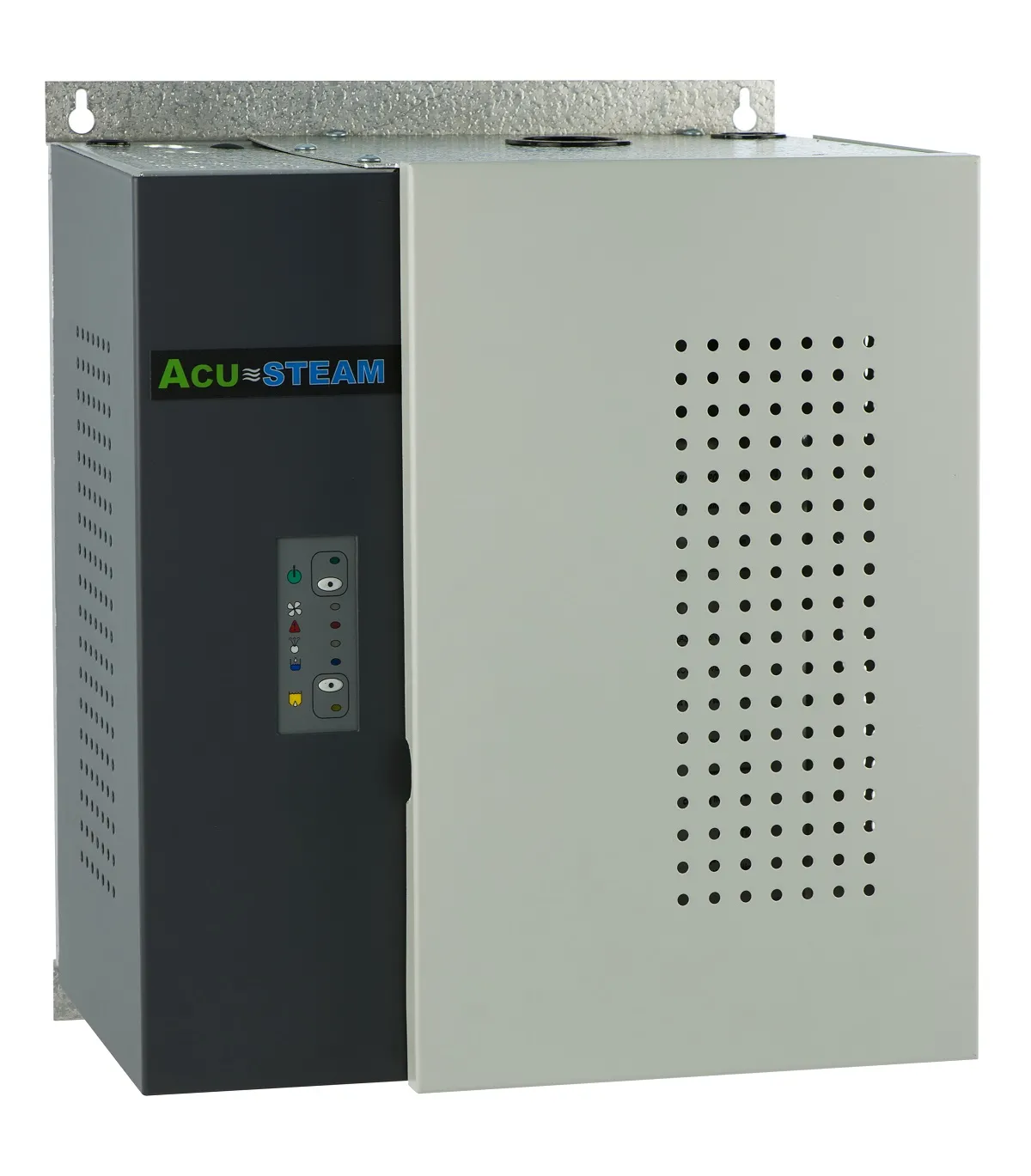
A humidifier adds moisture to the air in a room or building to improve comfort.
Ideally, indoor humidity should remain between 30% and 60%. Without proper humidification, dry air can cause:
- sore throat, irritated eyes, and coughing
- headaches
- allergies
- dry skin and chapped lips
- creaking wood furniture or flooring
- cracking plaster
Conversely, excessive humidity (above 70%) can contribute mould growth and the spread of bacteria and dust mites. A humidity indicator can you monitor levels effectively.
How does a humidifier work?
A humidifier releases water vapour into the air through an evaporation process. There are different types, including steam and flow-through humidifiers. These systems can be installed on a central HVAC system, allowing humidity to be distributed evenly throughout the home via ductwork.
What are the benefits of a humidifier?
A humidifier helps maintain optimal indoor humidity levels during winter, preventing them from dropping below 30% or going over 55%. This improves comfort, reduces respiratory irritation, and helps protect furniture and flooring.
Questions ?